Neighborhoods are constantly evolving. New businesses open, residential developments emerge, public spaces are revitalized, and demographic shifts introduce fresh energy into local communities. While these changes often attract attention from urban planners, developers, and residents, they also create unique opportunities for photographers. As neighborhoods transform, local photographers gain access to new subjects, visual narratives, and professional opportunities that may not have existed previously. The process of documenting change becomes valuable not only as an artistic endeavor but also as a way of preserving community history and capturing moments of transition that might otherwise be forgotten.
Photography has always played an important role in documenting the growth of cities and communities. Images provide visual records of how neighborhoods evolve over time, allowing future generations to understand what came before. As communities change, photographers often find themselves uniquely positioned to capture the contrast between old and new. Historic buildings standing alongside modern developments, longtime businesses operating near newly opened establishments, and diverse groups of residents sharing public spaces all create compelling visual stories that reflect broader social and economic trends.
Expanding Creative Possibilities
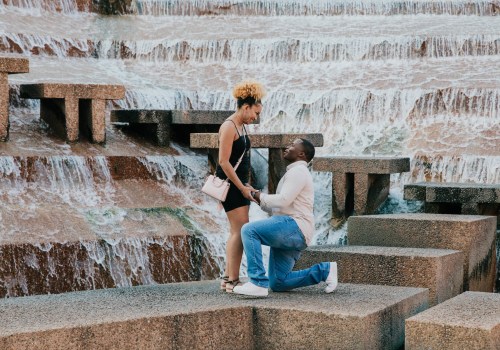
Changing neighborhoods often introduce new architectural styles, public art installations, streetscapes, and community gathering spaces. These additions provide photographers with fresh creative opportunities that can inspire new projects and portfolios. Areas undergoing revitalization frequently become popular locations for portrait sessions, lifestyle photography, and commercial shoots because they offer visually distinctive backgrounds and a sense of contemporary energy.
Photographers who understand their communities can identify emerging locations before they become widely recognized. This allows them to create unique work that stands out in competitive markets. Whether capturing urban landscapes, documenting cultural events, or producing content for local businesses, photographers benefit from the variety and visual richness that neighborhood transformations often generate.
New developments may also create demand for specialized photography services. Real estate professionals, construction companies, architects, and business owners frequently require high-quality images to showcase projects and promote investments. As neighborhoods continue to evolve, these opportunities can become an important source of work for local photographers.
Building Connections Within Growing Communities
Neighborhood change often brings new residents, businesses, and organizations into an area. This growth creates opportunities for photographers to establish professional relationships and expand their client base. Community events, grand openings, cultural festivals, and local initiatives frequently require photographic coverage, providing photographers with additional ways to engage with the communities they serve.
As populations grow, people often seek professional photography services for family portraits, celebrations, branding projects, and personal milestones. Photographers who actively participate in local events and maintain strong community connections are often well-positioned to benefit from these emerging opportunities.
Population growth and relocation trends can further contribute to this demand. Companies such as Mountain Movers regularly assist individuals and families transitioning into new neighborhoods, reflecting the ongoing movement of people that helps reshape local communities. As these new residents establish roots, they contribute to the growing demand for photography services that capture important moments in their lives and their connection to their new surroundings.
Preserving Community Identity Through Photography
While neighborhood transformation creates new opportunities, it also highlights the importance of preserving local identity. Photographers often play a valuable role in documenting historic buildings, cultural traditions, and everyday community life before significant changes occur. These images serve as visual archives that help communities remember their history and understand how they have evolved.
Many photographers undertake long-term projects that document neighborhood development over several years. These collections can become valuable historical resources that illustrate the pace and nature of change within a community. By capturing both continuity and transformation, photographers contribute to a deeper understanding of local identity.
Looking Ahead
As neighborhoods continue to evolve, photographers will remain important observers and storytellers of community change. New developments, cultural shifts, and population growth create a steady stream of opportunities for creative expression and professional growth. By documenting these transformations, photographers not only expand their own careers but also help preserve the visual history of the communities they call home. In this way, changing neighborhoods become more than subjects for photography—they become ongoing stories that photographers are uniquely equipped to tell.